Smart accounts: what account abstraction changes about wallet risk
A wallet that is a contract rather than a key pair can do things a seed phrase cannot — social recovery, spending limits, session keys. It also introduces failure modes that did not exist before.
Short answer
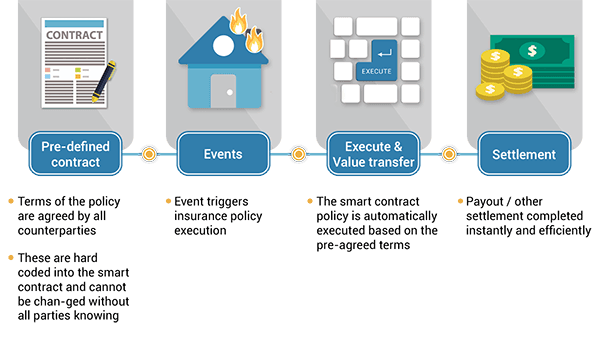
A smart account is a contract, so its rules are programmable: multiple signers, spending limits, session keys with an expiry, and recovery without a seed phrase. The trade is that the contract itself can have bugs, someone can usually upgrade it, and the recovery mechanism you configured is now an attack surface of its own.
On this page
- What becomes possible
- What becomes riskier
- Questions worth asking of any smart wallet
- Whether to move
- What is account abstraction?
- What does it change?
- What should you ask before moving?
- Is a smart account safer than a hardware wallet?
- Session keys deserve the same scrutiny as approvals
- What account abstraction does not change
- A practical migration path
A conventional wallet is a key pair. Whoever has the key can do anything, forever, and if the key is lost the funds are gone. Every property of that model follows from one fact: the rules are fixed by the protocol, not by you.
Account abstraction — ERC-4337 and, at the protocol level, EIP-7702 — makes the account a contract, so the rules become yours to write.
What becomes possible
Recovery without a seed phrase. Guardians — other addresses, or devices you control — can collectively restore access. This removes the single largest cause of permanent loss in self-custody, which is not theft but a phrase nobody wrote down properly.
Spending limits. A daily cap, a whitelist of destinations, a larger transfer requiring a second approval. Rules a bank has had for decades and a key pair cannot express at all.
Session keys. A key valid for one application, for a limited time, up to a limited amount. A game or a trading interface can act without asking you to confirm every action, and the authority expires on its own.
Batching. Approve and swap in one confirmation rather than two. Fewer confirmations is not just convenience — every extra prompt is a prompt people learn to click through.
Paying fees in a token, or not at all. A paymaster can sponsor gas, which removes the requirement to hold the native asset before you can do anything.
What becomes riskier
The contract can have bugs. Your account is now code. A flaw in the implementation is a flaw in your wallet, and it applies to everyone using that implementation at once. A key pair has no such shared fate.
Someone can usually upgrade it. Most smart accounts are upgradeable. Ask who holds that authority — you, the vendor, or a multisig you cannot see. If it is not you, the security of your account is a governance question.
Recovery is an attack surface. Guardians who can restore access can also be socially engineered into granting it. Whether recovery has a delay, and whether you are notified when it starts, matters enormously — a recovery process that completes silently and instantly is a takeover mechanism.
Session keys are approvals with a friendlier name. A session key with a wide scope and a distant expiry is the same standing authority as an unlimited token approval. The improvement is that it can be narrow, not that it is.
Complexity you now have to review. More rules mean more to get wrong when configuring, and the defaults are set by the vendor rather than by the protocol.
A key pair fails in exactly one way and you know what it is. A smart account fails in the ways you configured it to, which is better only if you read the configuration.
Questions worth asking of any smart wallet
- Who can upgrade the account contract, and is there a delay?
- How does recovery work — how many guardians, and is there a timelock and a notification?
- What is the default session key scope and expiry?
- If the vendor disappears, can I still move my funds? There should be a documented path that does not involve their servers or their app.
- Has the implementation been audited, and is the deployed version the audited one?
Whether to move
Smart accounts are a genuine improvement for the common failure — losing access — and for the common attack, which is a single careless confirmation. Spending limits and expiring session keys address both directly.
They are not a reason to move a long-term holding you already secure well. The reasonable pattern is the one that was already reasonable: an account you interact with, configured with limits, and a separate cold address that does nothing but hold.
What changes is that the first of those two can now defend itself.
What is account abstraction?
Account abstraction is the change that makes a wallet a smart contract rather than a bare key pair, so the rules governing it — who may sign, how much, for how long, how to recover — become programmable instead of fixed by the protocol.
What does it change?
| Property | Key pair | Smart account |
|---|---|---|
| Recovery if access is lost | Seed phrase only | Guardians, devices, social recovery |
| Spending limits | None possible | Daily caps, allowlists, second approvals |
| Time-limited authority | None | Session keys with an expiry |
| Failure modes | One, well understood | The ones you configured |
| Who can change the rules | Nobody | Whoever holds the upgrade authority |
| Shared risk with other users | None | A bug affects everyone on that implementation |
The last two rows are the cost. Account abstraction removes the commonest cause of permanent loss and introduces a governance question in its place.
What should you ask before moving?
- Who can upgrade the account contract, and is there a delay?
- How does recovery work — how many guardians, is there a timelock, are you notified?
- What is the default session key scope and expiry?
- If the vendor disappears, can you still move funds without their app?
The reasonable pattern is unchanged: an account you interact with, configured with limits, and a separate cold address that only holds. See wallet security, wallet risk and blockchain security.
Is a smart account safer than a hardware wallet?
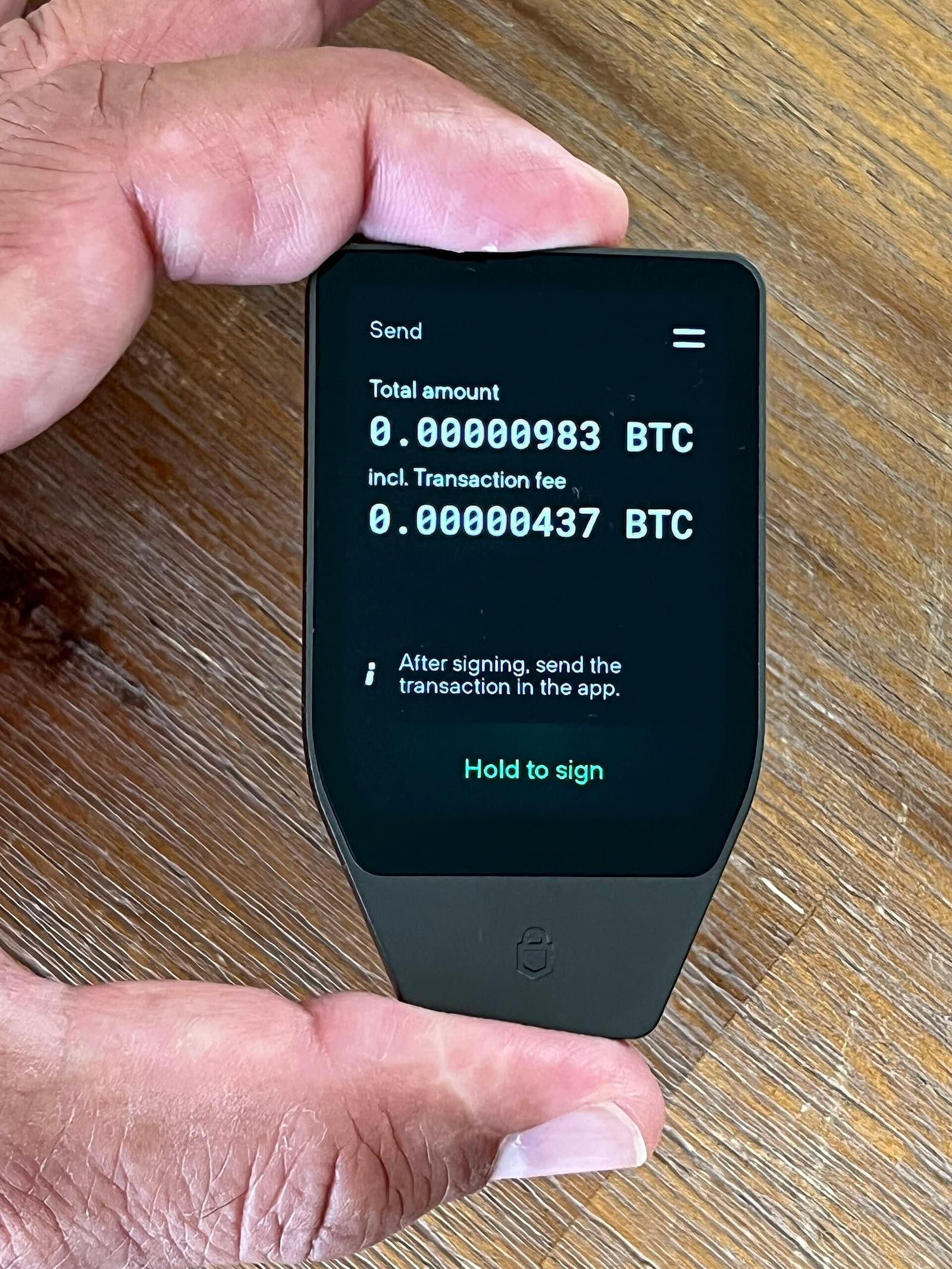
They solve different problems and compose well. A hardware wallet protects the key; account abstraction constrains what a signature can do. A hardware signer on a smart account with spending limits covers more than either alone — the key stays offline, and a single careless confirmation is bounded by a daily cap.
The failure account abstraction genuinely removes is the common one: an owner who loses access. The failure it adds is a governance question you can ask before adopting, and should. Ask the four questions before adopting a smart account rather than after, because the upgrade authority and the recovery configuration are the two things you cannot change once your funds are inside.
Session keys deserve the same scrutiny as approvals
A session key is authority with a friendlier name. Scoped to one application, for an hour, up to a small amount, it is a genuine improvement over confirming every action. Scoped broadly with a distant expiry, it is an unlimited approval that nobody calls one.
Check the default before you accept it, because vendors choose defaults for smoothness rather than for your balance.
What account abstraction does not change
The two failures that account for most losses are unchanged: signing something you did not read, and losing the ability to recover. A smart account addresses the second directly and only helps with the first to the extent that you configured a limit that catches it.
Configure the limit. It is the whole reason to be on a smart account rather than a key pair, and it is the setting people skip because nothing forces them to choose it.
A practical migration path
Move the wallet you interact with first, and leave the cold address alone. That gives you spending limits and session-key expiry where the risk actually is — the address that signs against contracts you have not read — without touching the one whose only job is to hold.
Then configure the limits before moving any value in, register a second recovery guardian rather than one, and confirm you can move funds through a route that does not depend on the vendor's application. Three settings, done once, and they convert account abstraction from an interesting property into a defence.
Frequently asked questions
- Does a smart account remove the seed phrase?
- It removes the requirement that one phrase be the only way in. Recovery can run through guardians or devices instead, which addresses the most common cause of permanent loss.
- What is a session key?
- A key authorised for a specific application, scope and period. It lets an app act without confirming every step, and it expires on its own — but a wide scope with a distant expiry is the same standing authority as an unlimited approval.
- Can the vendor of a smart wallet take my funds?
- It depends on who holds the upgrade authority for the account contract. Ask that question first, and look for a documented way to move funds that does not involve the vendor's app or servers.
- Is a smart account safer than a hardware wallet?
- They solve different things. A hardware wallet protects the key; a smart account constrains what a signature can do. Used together — a hardware signer on a smart account with limits — they cover more than either alone.
Sources
- ERC-4337: Account Abstraction Using Alt Mempool — Ethereum Improvement Proposals
- EIP-7702: Set EOA account code — Ethereum Improvement Proposals
- Account abstraction — ethereum.org
Published by
Riskira
Practical guides and insights about crypto wallet risk, blockchain security, suspicious addresses, transaction safety, Web3 scams, and wallet analysis.
About the publication